THE VISITORS
A third of Britain
The exhibition drew over six million visitors, equivalent to a third of the British population at the time, many arriving on excursion trains.
Pay your shillingINVENTION HISTORY IN PLAIN ENGLISH
In 1851 the world's inventions went on show under one glass roof.
The Great Exhibition of the Works of Industry of all Nations filled Hyde Park from May to October 1851. Machines, materials and manufactures from many countries were set side by side, and the profits were turned into museums, colleges and fellowships that still support researchers and designers today.
1851 Hyde Park
THE SHORT ANSWER
The 1851 exhibition was the first international exhibition of manufactured products.
Its legacy is still visible in London.
THE VISITORS
The exhibition drew over six million visitors, equivalent to a third of the British population at the time, many arriving on excursion trains.
Pay your shillingTHE EXHIBITS
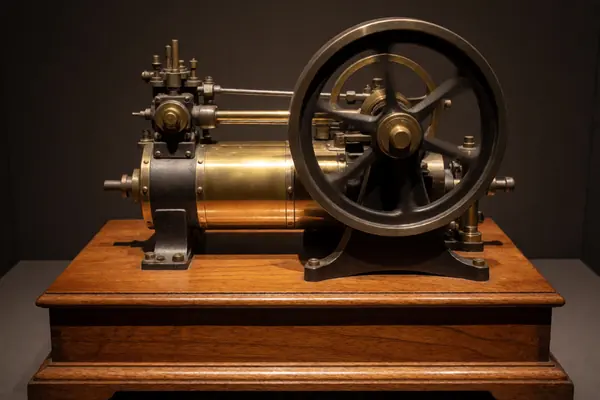
Exhibits were grouped into raw materials, machinery, manufactures and fine arts, with a detailed classification used to arrange them and award prizes.
What it leftTHE BUILDING
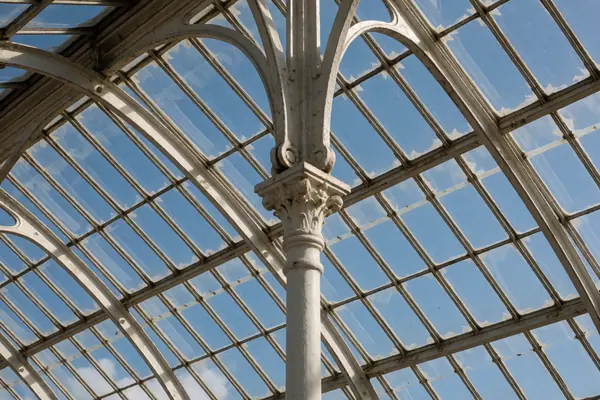
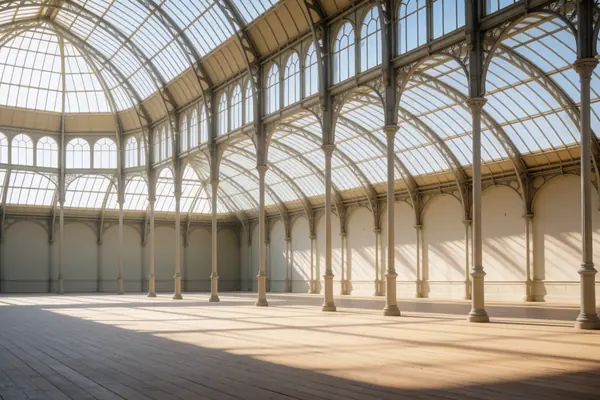
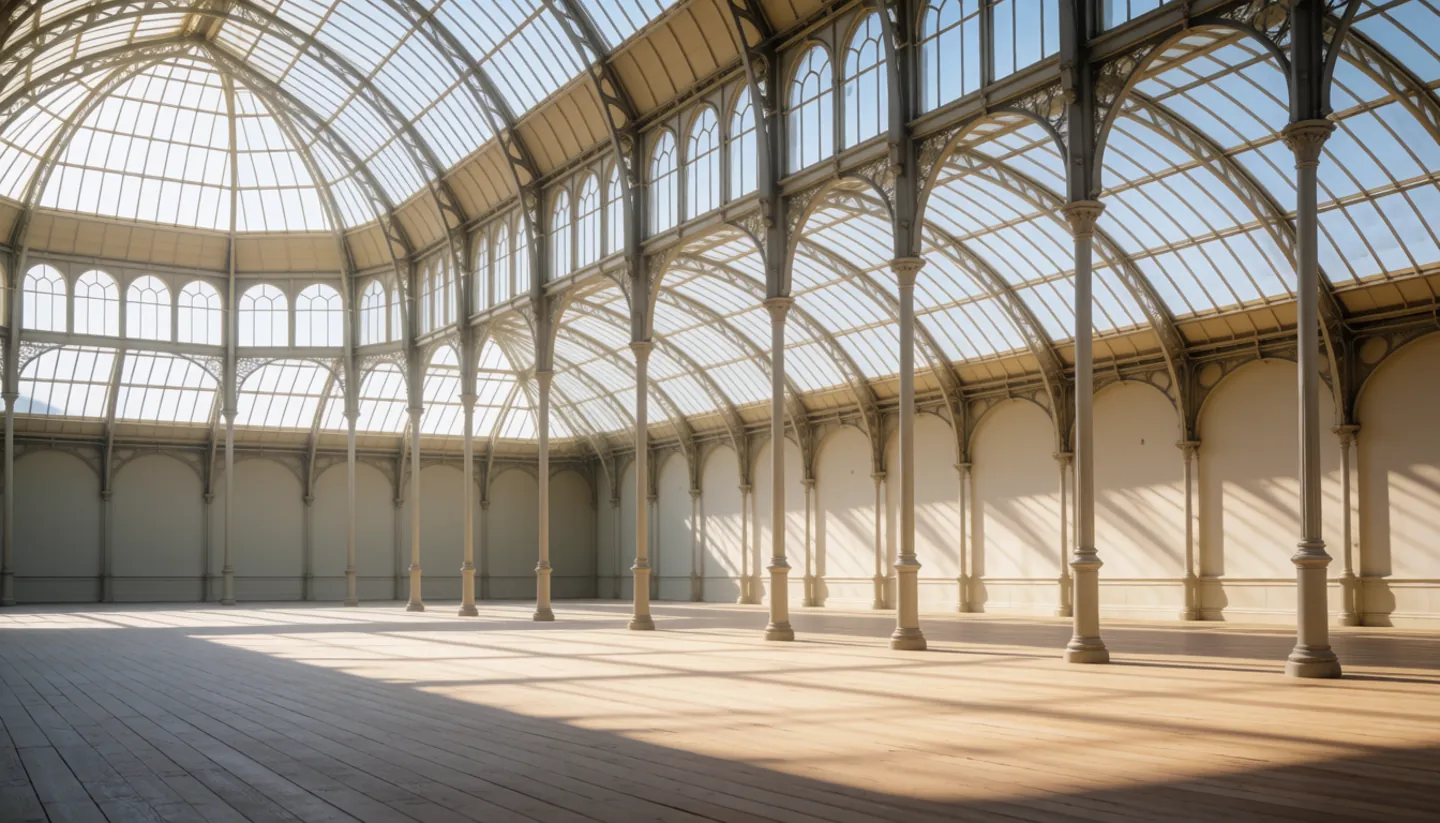
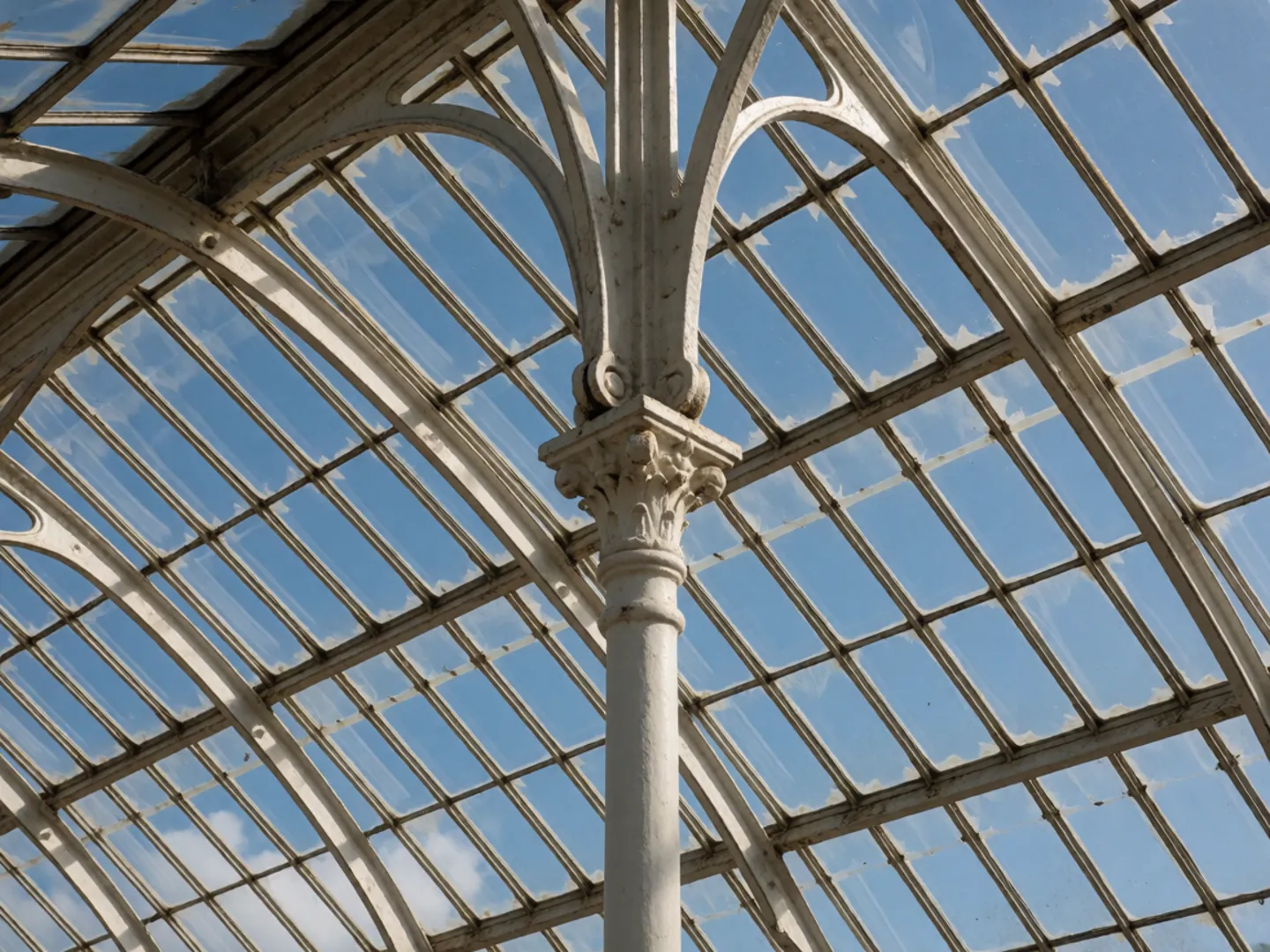
Joseph Paxton's iron and glass design was built in nine months from parts made in Birmingham, and nicknamed the Crystal Palace by Punch.
See the numbersA DAY AT THE EXHIBITION
Pick a day or a need to see what visitors paid. The bar shows how expensive it was relative to the cheapest entry.
From The Gazette's history of the exhibition, written by a senior archivist at the V&A, and Sky History. Exact higher prices varied and are not given here.
TWO NUMBERS WORTH KNOWING
One figure on the crowds,
one on the glass that roofed them.
6 million+
People who visited, May to October 1851
The exhibition was visited by over six million people and made a profit of £186,000, confounding doubters in parliament and the press.
VISITORS · THE GAZETTE
293,000
Panes of glass made in Birmingham
The building also used 3,330 iron columns, 2,224 girders and 205 miles of sash bar, with a glazed surface of 900,000 square feet. These figures were even inscribed on the prize medals.
THE CRYSTAL PALACE · THE GAZETTE
Sky History gives an average of 43,536 visitors a day, with a peak of 109,760 on 8 October 1851.
FOUR WAYS 1851 LIVES ON
The exhibition's profits and precedent shaped institutions that still serve science, design and invention.
The profits bought land in South Kensington, now home to the V&A, Science and Natural History museums.
The same estate houses Imperial College London and the Royal Colleges of Art and Music.
The Royal Commission for the Exhibition of 1851 awards some 35 postgraduate fellowships and scholarships a year.
1851 set the precedent for international exhibitions held almost every year somewhere for the rest of the 19th century.
WHAT IT LEFT BEHIND
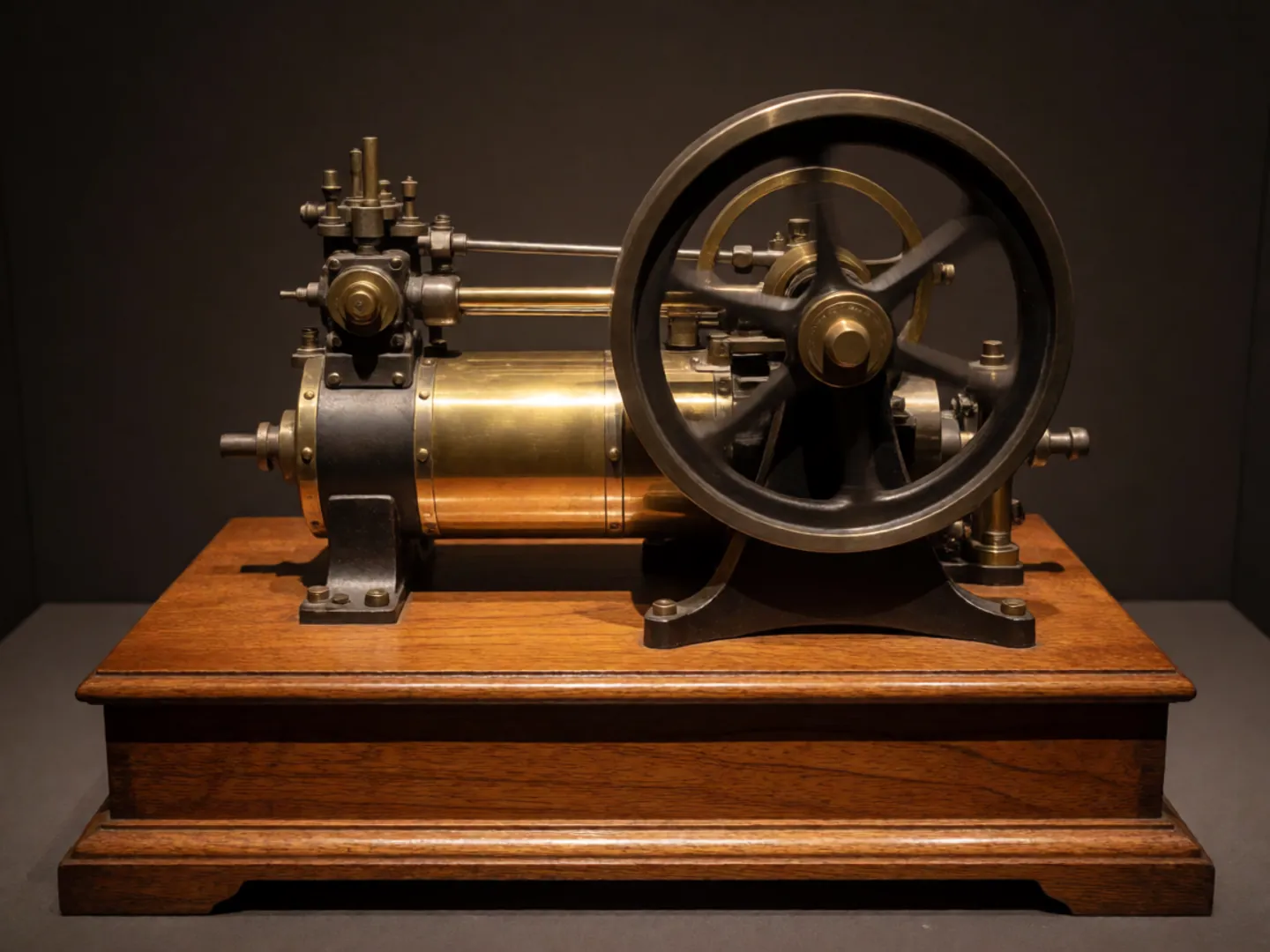
The Royal Commission for the Exhibition of 1851 was granted a supplemental charter to exist in perpetuity so it could spend the £186,000 surplus. It bought an estate in South Kensington that became a centre for science, culture and education.
Since 1891 the Commission has awarded fellowships and scholarships 'to increase the means of industrial education and extend the influence of science and art upon productive industry'. Past holders include 13 Nobel laureates. The Crystal Palace itself was rebuilt at Sydenham and destroyed by fire in 1936.
Questions
The Great Exhibition of the Works of Industry of all Nations, held in Hyde Park from May to October 1851. It was the first international exhibition of manufactured products.
Joseph Paxton, head gardener at Chatsworth, who had designed innovative glasshouses. His prefabricated iron and glass building was completed in nine months, after a design competition with nearly 250 entries produced no usable plan.
Most visitors paid a shilling (5p). Entry in the first three weeks, and on Fridays and Saturdays throughout, was more expensive.
The £186,000 surplus was used to buy an estate in South Kensington, now home to major museums, Imperial College, the Royal Colleges of Art and Music and the Royal Albert Hall.
Yes. It awards around 35 postgraduate fellowships and scholarships a year in science, engineering, design and the built environment, with total disbursements of nearly £4m a year.
Sources
ABOUT THIS NAME
doodleinventer.com is part of the DoodleSale portfolio. It isn't in an auction right now, but you can ask about leasing it.